TOP 10 Reasons I Crate Train as a Balanced Dog Trainer & Dog Owner
Crate training is widely misunderstood. Here are the top 10 reasons a balanced trainer crate trains, from a safe den to travel, decompression, and confidence.

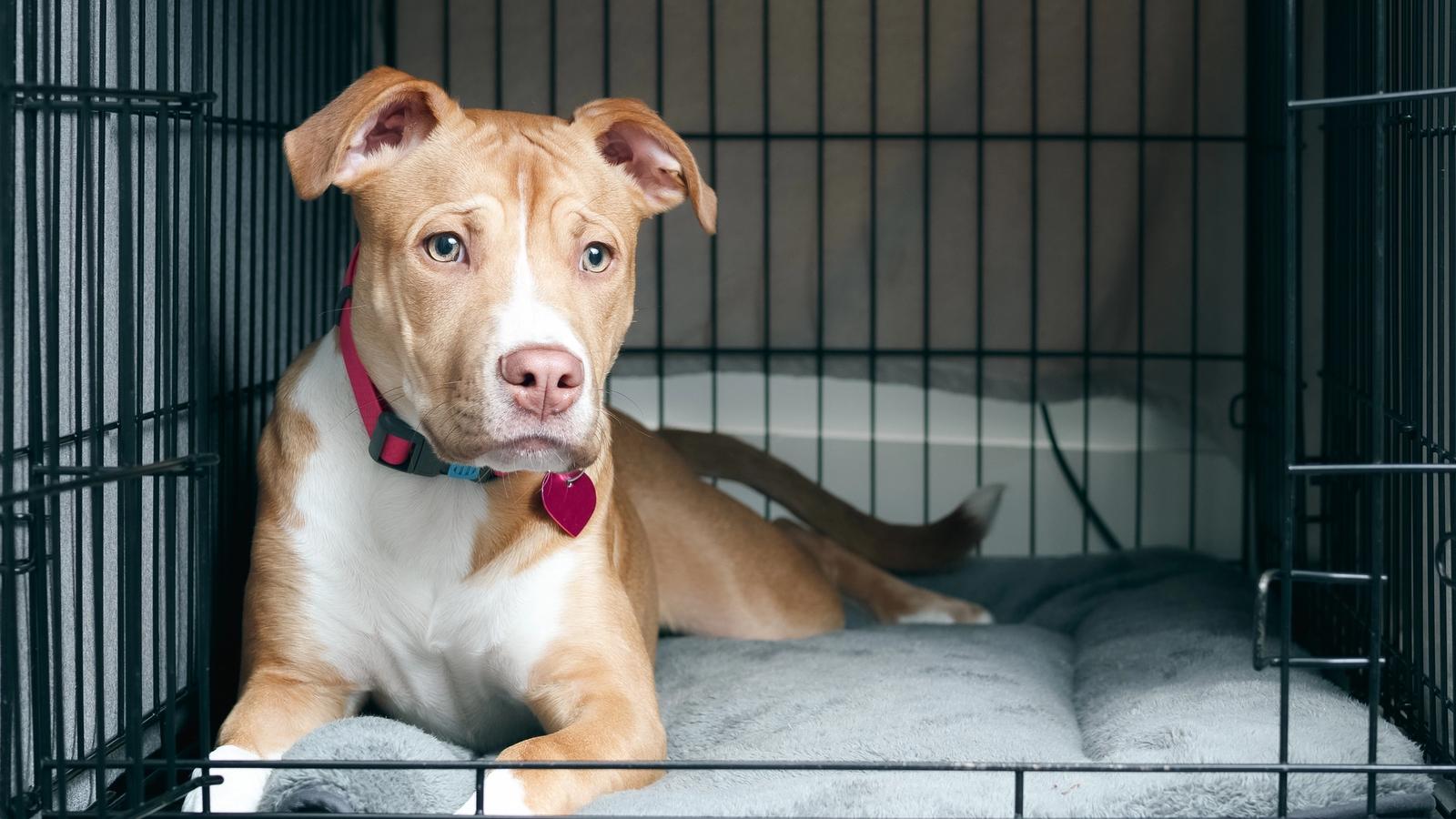
Crate training is frequently misinterpreted by pet owners, yet it offers substantial benefits beyond simple containment. This training method works for both puppies and adult dogs.
1. Creating a Safe Space / Den / "Bedroom"
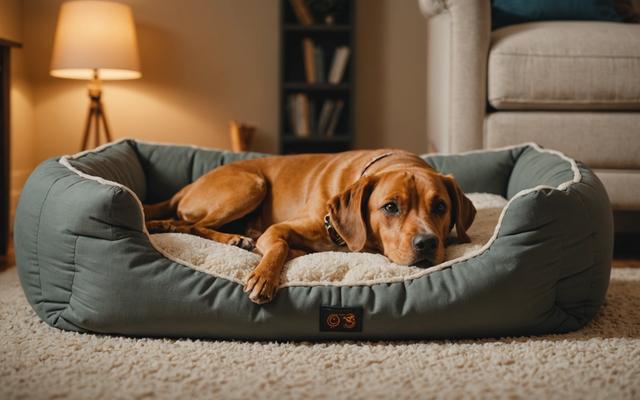
Dogs benefit from having their own secure retreat, similar to how humans value personal spaces. Once properly trained, a crate becomes a den-like environment where dogs can retreat for security and comfort. It serves as a calming area during stressful or unfamiliar situations.
2. Potty Training
Crates function as valuable housetraining tools for puppies. Never punish accidents indoors. They also help establish better bathroom habits for adult dogs with behavioral concerns or those transitioning to indoor living.
3. Preventing Destructive Behavior
Unsupervised dogs may engage in dangerous activities like chewing furniture or swallowing foreign objects. Crates limit access to hazardous items when supervision isn't possible.
4. Facilitating Travel and Veterinary Visits
Dogs comfortable in crates handle travel better. Crash-tested models from Impact, Gunner, and Ruffland provide safety. Crates offer a familiar and secure environment in unfamiliar settings, reducing stress and anxiety.
5. Managing Separation Anxiety
Properly introduced crates help dogs develop healthy coping mechanisms for separation anxiety and improve overall mental wellness.
6. Ensuring Safety
Crates prevent access to dangerous household items like medications, chocolate, and marinating food. This protection reduces serious health risks and expensive veterinary bills from ingested objects.
7. "FOMO" Training
Teaching dogs to take turns develops well-rounded pets comfortable going anywhere and doing anything.
8. Decompression After Training
Mental training exhausts dogs similarly to how humans feel after learning new skills. Crates allow neurological processing and information retention after training sessions.
9. Multi-Dog Household Management
Crates enable focused attention on individual or pairs of dogs during play and training. They prevent fighting and resource guarding in multi-dog homes.
10. Building Confidence in Shy or Nervous Dogs
Crates can boost confidence in anxious dogs through appropriate use.
Crating your dog at the appropriate times does not take away from their quality of life when owners fulfill their dog's needs otherwise. The crate type and training methodology are equally important for successful implementation.

Owner